
11 September 2026
Storm Damage Roof Insurance Claim Watford: What MP Roofing Tells Homeowners to Record First
What to photograph and record after storm damage in Watford before roof repairs begin, so your home insurance claim holds up. Straight advice from MP
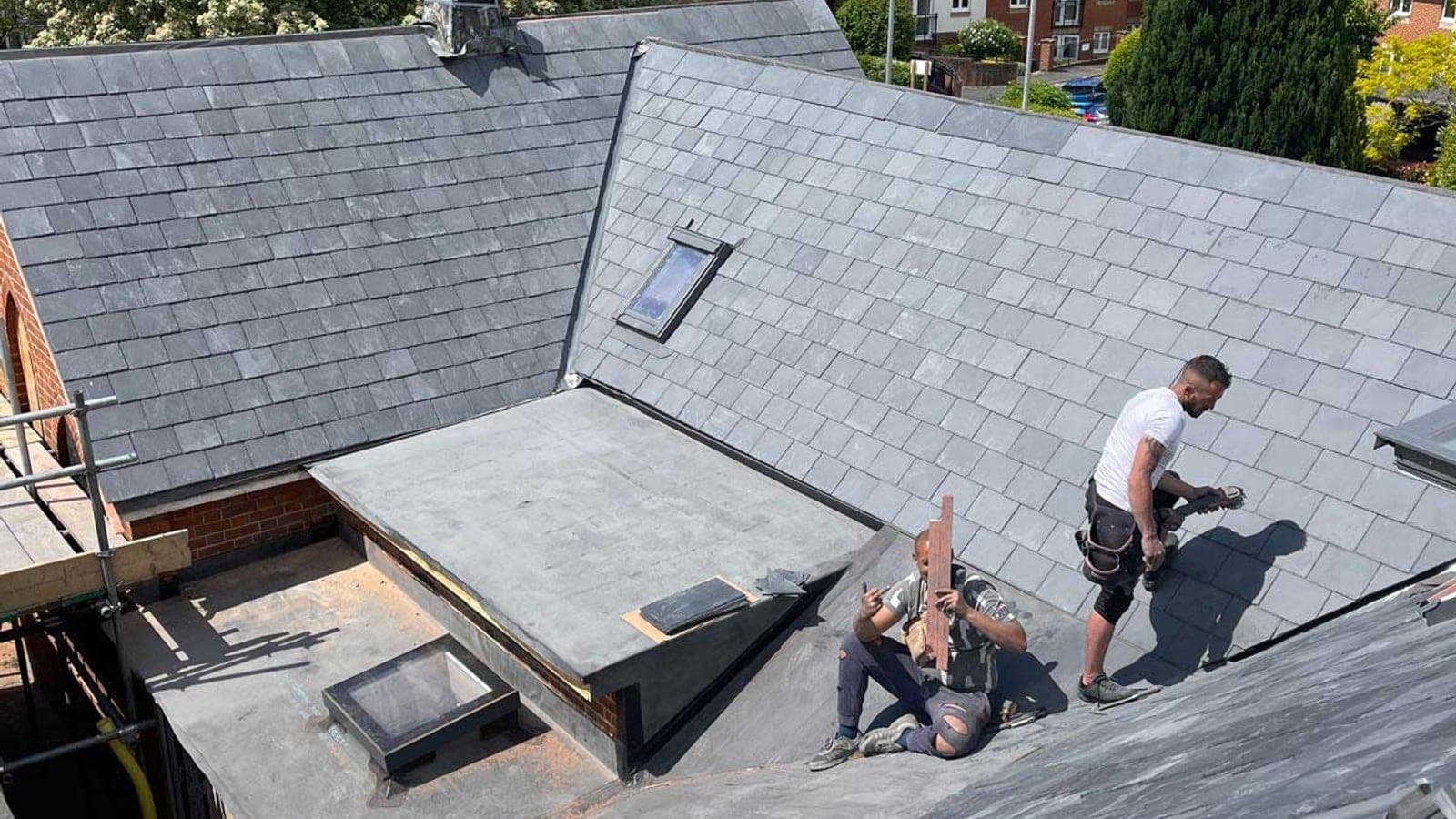
After a storm hits Watford, the evidence that supports a home insurance claim needs to be gathered before any repair work starts: wide and close-up photos of every damaged area, the date and time of the storm, a note of what was damaged and where, and photos of any water ingress inside the property. Insurers assess claims on documented proof, not verbal descriptions, so the more specific and dated your record, the smoother the claim tends to move. This matters just as much whether you're dealing with a few slipped tiles or a genuine emergency roof repair situation.
What should you photograph immediately after a storm?
Start outside, then move inside. Insurers want to see the damage in context, not just a close-up of a broken tile with nothing to place it.
- Wide shots of the whole roof from the ground, taken from at least two angles, showing the general condition and where the damage sits relative to chimneys, valleys or the ridge.
- Close-up shots of each damaged area: slipped or cracked tiles, dislodged slates, torn flashing, a lifted ridge, damaged fascias, or a gutter that's come away from its bracket.
- Debris on the ground: broken tiles, slate fragments or guttering sections that have come down, photographed where they landed.
- Any visible daylight through the roof structure, if you can safely see into the loft space.
- Water staining or drips inside the property, particularly on ceilings, around chimney breasts, or near loft hatches.
- Damage to surrounding structures, such as a garage roof, conservatory or fence, if the same storm caused it.
Do not go onto the roof yourself to get these photos. A phone camera from the ground or an upstairs window, or a loft torch for the underside of the roof, is enough for an initial insurance record.
Why does timing matter for a storm damage insurance claim?
Most UK home insurance policies require storm damage to be reported "as soon as reasonably possible" after the event. A gap of several weeks between the storm and your report can lead an insurer to question whether the damage actually happened during that storm, or whether it built up gradually through wear and poor maintenance, which many policies exclude.
Because of this, the date matters as much as the photo itself:
- Note the date and approximate time you first noticed the damage.
- Check whether it matches a known storm event (the Met Office publishes storm warnings and dates, which can support your timeline).
- Photograph the damage the same day or the next, before weather or wildlife makes it worse.
- Report it to your insurer promptly, referencing the storm date.
A same-day response for an active leak, or a prompt visit to assess storm damage, also helps here: it gives you a professional record close to the event itself, rather than weeks later.
What details do insurers actually look for in claim evidence?
Beyond the photos themselves, insurers generally want a written account that ties the images together. Keep a simple log alongside the photos:
- The date and rough time of the storm.
- What you noticed straight after (a leak, a bang, debris in the garden, tiles visible on the lawn).
- Which parts of the roof or property are affected.
- Whether anything inside the home was damaged as a result (ceilings, carpets, electrics).
- Any temporary measures taken to prevent further damage, such as a tarpaulin or moving belongings away from a leak.
If a roofer visits to assess the damage, a written report describing the extent of the damage and whether it's storm-related is useful supporting evidence for the claim, separate from the repair quote itself.
Should repairs start before the insurer responds?
It depends on the severity. If the damage is genuinely urgent, meaning water is actively getting into the property or there's a risk of further structural damage, most policies allow for reasonable emergency measures to prevent that getting worse, such as a temporary tarpaulin or making a broken area safe. Photograph the damage first, then carry out or arrange the minimum needed to stop things worsening, and keep any receipts.
For damage that isn't actively causing ongoing harm, such as a few displaced tiles with no leak, it's usually worth waiting for the insurer's acknowledgement or loss adjuster sign-off before committing to full repair work, since starting major work first can complicate a claim.
How does MP Roofing support the claims process?
MP Roofing gives a straight, honest assessment of whether storm damage genuinely needs same-day attention or can safely wait for dry weather, backed by 24/7 availability for urgent callouts and a same-day response for active leaks. Every visit includes a free written quote, and if repair work is agreed, that price is fixed and itemised before anything starts, with scaffold and skip costs already built in rather than added afterward.
As a local roofing contractor covering Chesham and the 10 miles around it, including Watford, Rickmansworth, Croxley Green, Abbots Langley and the surrounding towns, the same approach applies whether the job is a slipped tile, storm-damaged flashing needing lead work, or a full roof repair after a bad storm night. With 32+ years of hands-on experience and £2m public liability cover, the assessment given is based on what the roof actually needs, not on upselling a full re-roof when a targeted repair will do.
Comparison table: what can wait vs what needs same-day attention
| Situation | Can usually wait for the insurer | Needs same-day attention |
|---|---|---|
| A few slipped or cracked tiles, no leak | Yes, photograph and report | No |
| Water actively dripping into a room | No | Yes |
| Torn flashing around a chimney, dry inside | Yes, photograph first | Monitor closely |
| Gutter pulled away from the wall | Yes, in most cases | If causing water ingress, yes |
| Visible daylight through the roof deck | No | Yes |
| Debris blocking a drain or downpipe | Yes | If causing flooding indoors, yes |
FAQ
How soon after a storm should I report damage to my insurer?
As soon as reasonably possible, ideally within a few days of noticing it. Most policies expect prompt reporting, and a close gap between the storm date and your report strengthens the claim, especially when backed by dated photos.
Do I need a roofer's report for my insurance claim, or are my own photos enough?
Your own photos and notes are a useful starting point, but a written assessment from a roofer confirming the extent and likely cause of the damage adds independent, professional weight to the claim, particularly for anything beyond minor cosmetic damage.
Can I get emergency repairs done before my insurer has assessed the damage?
You can usually carry out reasonable temporary measures, such as a tarpaulin, to stop damage getting worse, provided you photograph everything first and keep receipts. Full repair work is normally best held off until the insurer has acknowledged the claim.
What if my roof damage turns out not to be storm-related?
An honest local assessment will tell you plainly if the damage looks like gradual wear rather than storm impact, since insurers generally exclude damage caused by lack of maintenance. It's better to know this early than to have a claim challenged later.
Does MP Roofing cover storm damage assessments in Watford specifically?
Yes. Watford sits within the 10-mile radius covered from the Chesham base, alongside towns such as Rickmansworth, Croxley Green and Abbots Langley, with the same fixed-quote, no-hidden-extras approach and free written assessment on every visit.
Written by MP Roofing, roofers in Chesham covering Buckinghamshire and west Hertfordshire. If something here applies to your roof, give us a ring on 07500 939396.