
16 September 2026
Extension Roof Leak Repair Penn & Tylers Green: Why Tie-In Junctions Fail
Extension roof leak repair in Penn & Tylers Green: why tie-in junctions fail, how to spot one, and what MP Roofing does to fix it properly.
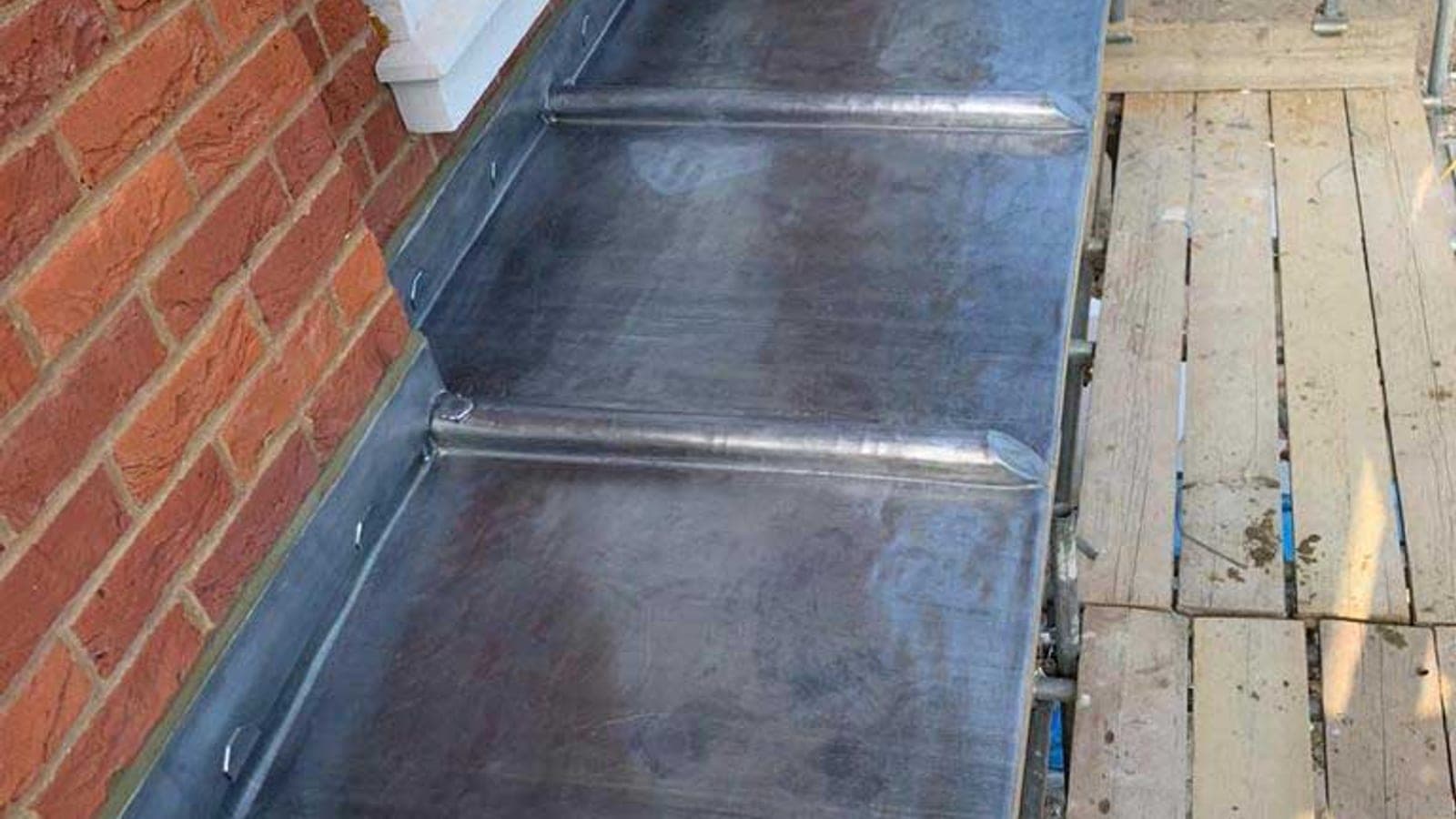
Extension roof leak repair in Penn & Tylers Green almost always comes down to one weak point: the junction where the new extension roof meets the original roofline. This is where two different roof structures, often built decades apart with different materials and different pitches, are forced to join together. The flashing, valley or abutment detail at that joint takes more water, more movement and more thermal stress than any other part of the roof, which is exactly why it's usually the first place to fail.
Why does the tie-in point leak more than the rest of the roof?
A tie-in junction is a manufactured weak spot by design. It has to cope with:
- Different roof pitches meeting at an angle, which creates a valley or abutment that channels water instead of shedding it evenly
- Different materials ageing at different rates, for example original clay tiles from the 1930s or 1950s meeting a newer concrete tile or flat roof extension
- Movement, since an extension roof and the main house settle and expand at slightly different rates, which slowly works flashing loose
- Poorly detailed lead or flashing work installed when the extension was built, sometimes by a builder rather than a roofing specialist
In Penn & Tylers Green, a lot of the housing stock is a mix of older Chiltern-edge cottages, inter-war semis and later rear or side extensions added over the years. That means plenty of roofs with exactly this kind of mismatched junction, and plenty of properties where the original roof and the extension were never really designed as one system.
What does a failing tie-in junction actually look like?
You won't usually see a hole. You'll see the effects of one. Common signs include:
- A damp patch on a ceiling directly below where the extension roof meets the house wall
- Staining that appears or worsens after heavy rain or strong wind, rather than being constant
- Slipped or cracked tiles clustered right at the abutment line, rather than spread across the whole roof
- Green or black staining on the flashing itself, or visible gaps where lead has lifted or cracked
- A musty smell in a loft space near the extension junction, even without visible dripping
If the leak only shows up after storms or driving rain from a particular direction, that's a strong pointer to a flashing or lead detail failure rather than a general tile problem.
Repair or full re-do: how is that decided?
Most tie-in failures are genuinely repairable without touching the wider roof. The table below shows how the decision usually gets made on a real inspection.
| Finding on inspection | Typical outcome |
|---|---|
| Lead flashing cracked or lifted at one section | Re-dress or replace that flashing section |
| Valley gutter blocked or corroded | Clear, repair or replace the valley lining |
| A handful of slipped tiles at the junction | Re-bed or replace the affected tiles |
| Timber or felt beneath the junction rotted | Localised strip-back and rebuild of that section |
| Widespread failure across the whole roof, not just the junction | Fuller re-roof or re-slate discussion, with the reasons explained |
The overwhelming majority of extension tie-in jobs fall into the first four categories. A full re-roof is only recommended when the inspection genuinely shows it's needed, not as a default upsell. Anyone quoting on your roof should be able to explain, in plain terms, exactly which of these categories your problem falls into and why.
What should a proper quote cover?
A written quote for tie-in repair work should be itemised and fixed before any work starts, including scaffold and skip costs where they're needed, so there's no surprise bill once access is up. If something new turns up once the roof is opened up, such as rotten timber hidden under old flashing, that should be flagged and agreed with you before it's actioned, not added quietly to the final invoice. MP Roofing works this way on every job across Penn & Tylers Green and the surrounding towns, with free written quotes provided from the initial visit.
Is a tie-in leak urgent, or can it wait?
That depends on what's actually happening. Active water coming through a ceiling, or a leak that's worsening with each rainfall, needs a same-day assessment, which is why 24/7 availability matters for storm damage and active leaks. A slow, occasional damp patch that only shows after prolonged heavy rain can often safely wait for a scheduled repair in dry weather. The honest answer should come from the inspection, not from a sales script, and it's reasonable to expect a straight yes or no on urgency rather than a push toward booking immediately.
Because lead and flashing work at these junctions is a specialist job in its own right, it's worth checking the contractor has genuine experience with lead flashing and valley detailing as well as general roof repairs, since a tie-in fix that's dressed properly in lead will last far longer than a quick sealant patch. Where the extension itself has a flat roof section feeding into the junction, that's a separate consideration covered under flat roofing work, since felt, GRP and EPDM all behave differently at an abutment.
FAQ
Why does my extension roof only leak in certain weather conditions?
Because tie-in leaks are usually caused by wind-driven rain finding a specific gap in flashing or a valley, not a general failure of the whole roof covering. Leaks that appear only in strong wind from one direction, or only after prolonged rain, point to a localised flashing or valley problem rather than widespread tile failure.
Will fixing a tie-in leak mean scaffolding the whole house?
Not necessarily. Many tie-in repairs can be reached with a tower or partial scaffold covering just the junction area, particularly on single-storey rear extensions. The extent of access needed is confirmed during the free written quote, before any work starts.
How long does a typical tie-in flashing repair take?
A localised flashing or valley repair on a single junction is usually a short job measured in hours rather than days, though this depends on access, weather and what's found once the area is opened up. Any timescale should be confirmed in writing as part of the quote rather than promised on the phone.
Is my insurance likely to cover tie-in leak damage?
That depends entirely on your own buildings insurance policy and the cause of the leak, so it's worth checking with your insurer directly. What MP Roofing can confirm is that all work carried out is backed by £2m public liability cover, protecting you against damage caused during the repair itself.
Do I need a full re-roof if the leak is only at the extension junction?
Usually not. Tie-in failures are typically a localised repair to flashing, valley lining or a small area of tiles, and a full re-roof should only be recommended if the inspection shows genuine wider deterioration, not simply because a leak has been found.
Written by MP Roofing, roofers in Chesham covering Buckinghamshire and west Hertfordshire. If something here applies to your roof, give us a ring on 07500 939396.