
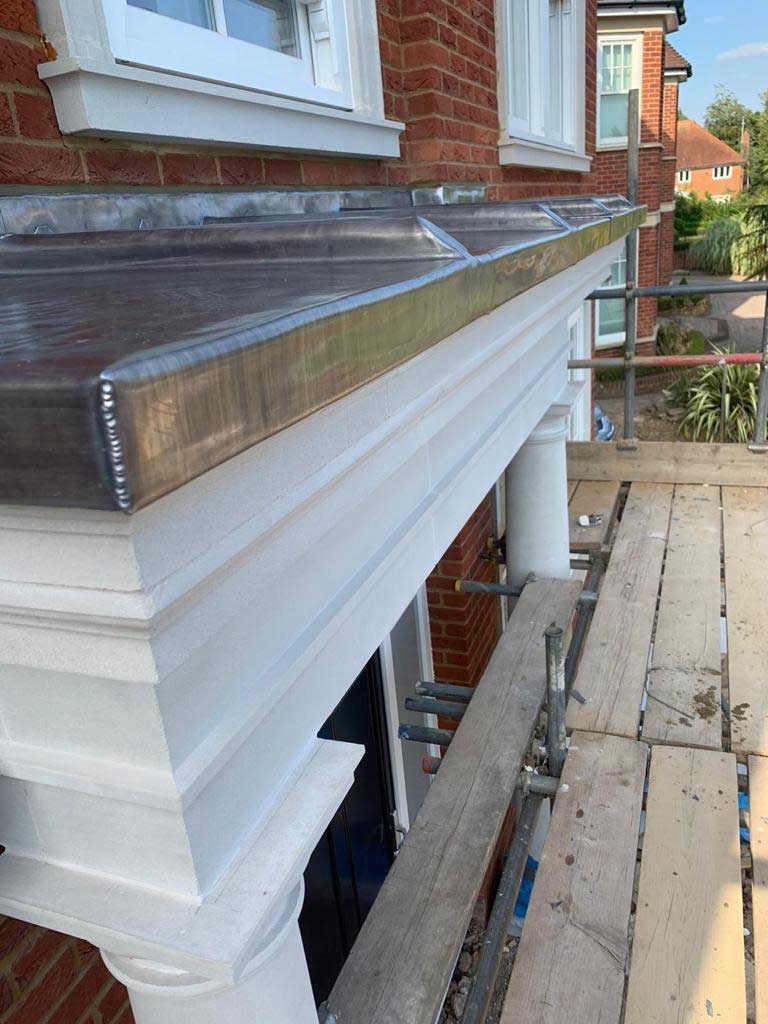
Lead work - flashings, valleys, box gutters and bay roofs
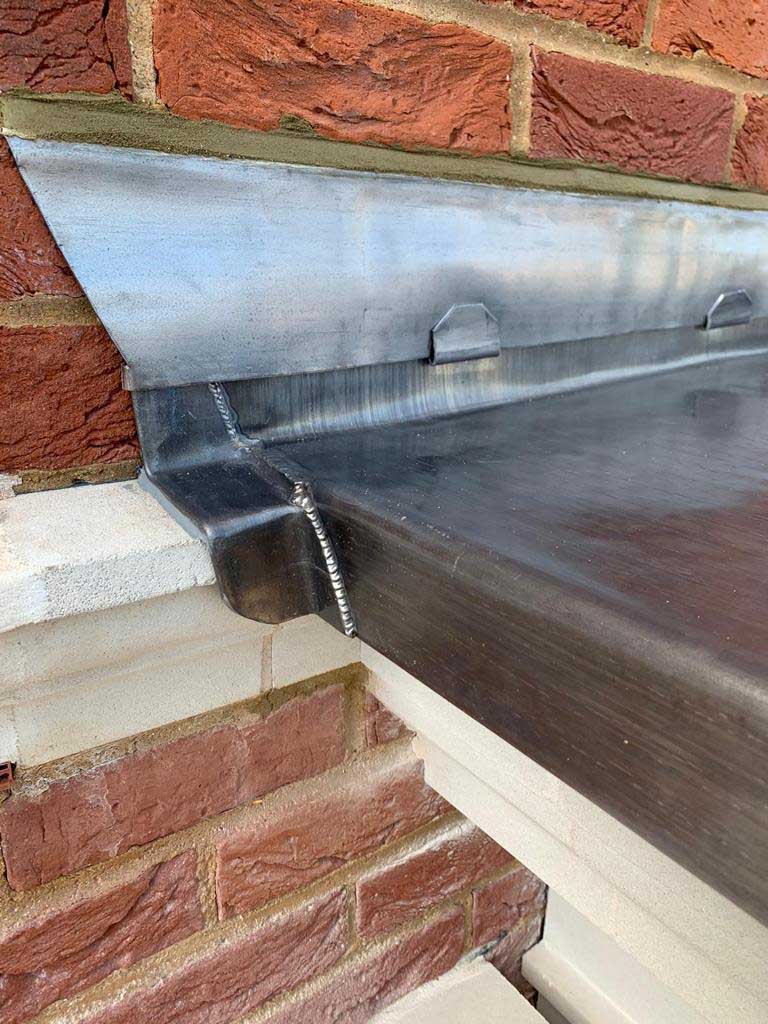
Leadwork is where most roofs actually leak, and where most of the shortcuts get taken. We size the code to the job, keep the sheets short enough to move with the weather, and weld the corners rather than relying on sealant.
What we do
The detail on lead work
Lead codes, and using the right one
Lead is sold by code - the number is roughly the weight in pounds per square foot, and the higher the number the thicker the sheet. Code 4 is the standard for soakers and most flashings. Code 5 is what valleys, back gutters and anything carrying running water should be in. Code 6 goes on box and parapet gutters, larger bay roofs and anywhere that will be walked on or has a long run. Using code 3 or 4 where code 5 belongs is the single most common way to save fifty pounds and buy yourself a leak in four years, and it is invisible once it's fitted - which is exactly why it happens.
Chimneys: apron, steps, cover and back gutter
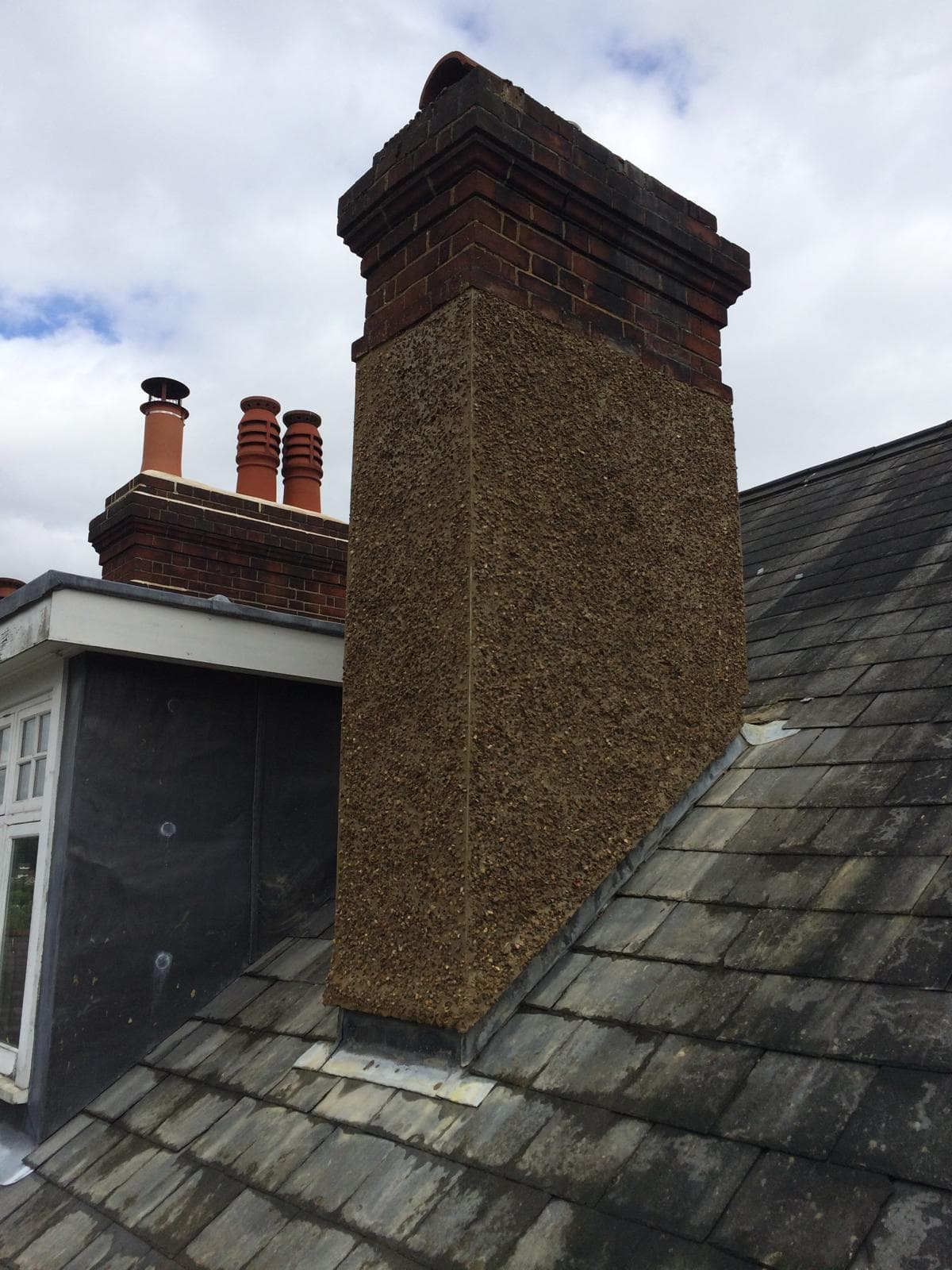
A chimney needs four separate pieces of leadwork and most leaks are because one of them is missing or wrong. The front apron takes water coming down the slope onto the stack. Step flashings run up both sides, each piece lapped over the one below and wedged into a raked-out mortar course. The back gutter sits behind the stack where water collects and is the piece that fails most often. Soakers go under the tiles or slates at each course on the sides. Cement fillets instead of lead, or lead dressed over the tiles rather than under, will both leak - usually within a couple of winters, and usually into a bedroom.
Thermal movement, and why oversized sheets fail
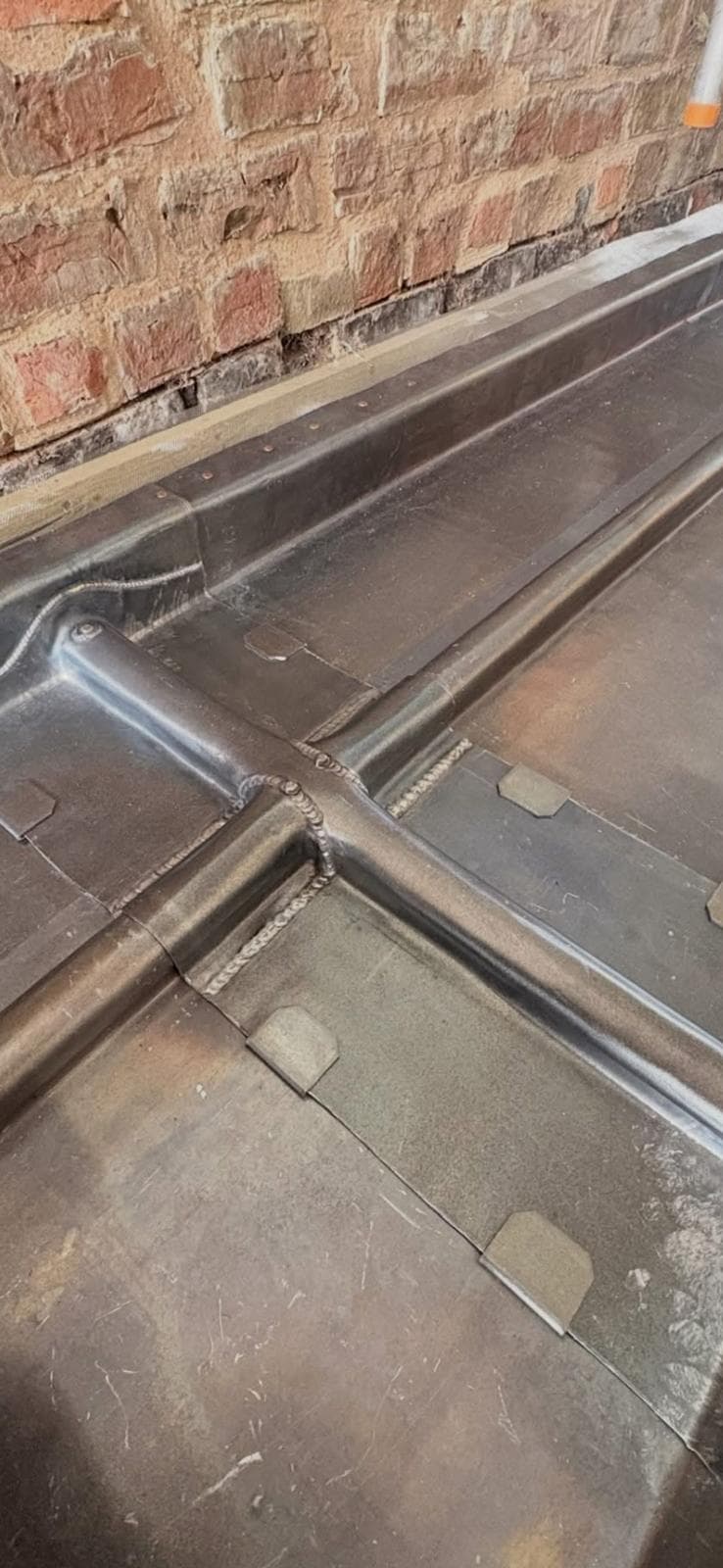
Lead expands and contracts a great deal with temperature, and if a sheet is fixed at both ends and too long it has nowhere to go. It fatigues, work-hardens along the line of stress and splits - usually along a fold, usually in a straight line that looks like it was cut. Lead Sheet Association guidance keeps individual flashing pieces to a maximum of about 1.5 metres, with laps between, and limits sheet sizes on bay roofs and gutters by code. Somebody running one continuous 4-metre flashing along an abutment has saved themselves two laps and given you a split within five years. We size and lap to the guidance.
Valleys, box gutters and bay roofs
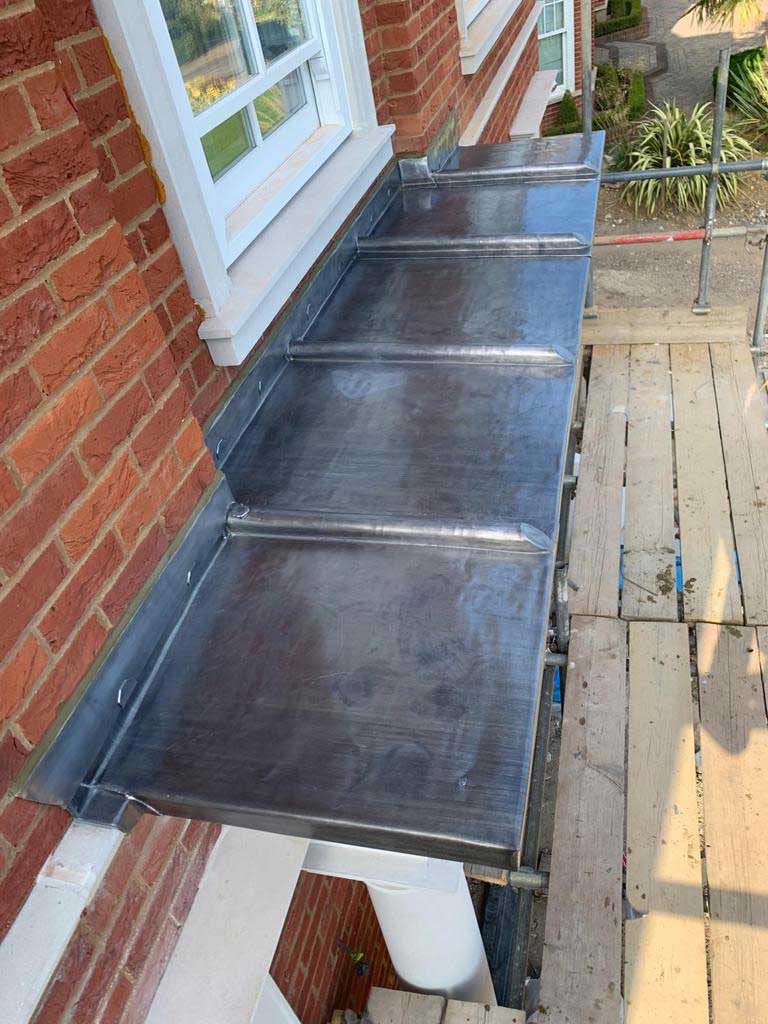
Valleys and box gutters take the concentrated run-off from two slopes and are the hardest-working lead on the building. They need adequate code, proper falls, correctly formed drips at the steps, and enough upstand at the sides. Bay roofs are the other classic - a small flat lead roof, usually over a bay window, often original and often the thing that finally goes. We form them with welded rolls, dress them properly over the drip, and support them on decking that has been checked rather than assumed.
Patination oil
New lead exposed to rain forms a white carbonate that washes down and stains brickwork and render below - the streaks you see on a lot of houses under new flashings. Brushing patination oil on when the work is finished stops it. It takes ten minutes and it is skipped constantly. We do it as a matter of course.
How it works
Four steps, in this order
01
Free inspection
We come out, get up and look properly, and photograph anything you can't see from the ground. If it turns out you don't need the work, we'll say so.
02
Written fixed quote
You get the price in writing with the materials named and the scaffold and waste included. It doesn't move unless we find something hidden and agree it with you first.
03
Scaffold and works
We book the scaffold, give you a start date and keep to it. The site gets cleared at the end of every day, not just at the end of the job.
04
Sign-off
We walk you round the finished work with the before and after photographs, clear the scaffold, and leave you the details of what was used and where.
What it costs
How we price lead work
Leadwork is priced by the piece and by the code of lead it needs. A chimney re-flash is a well-defined job we can price accurately from an inspection; a parapet gutter depends on length, falls and what the decking underneath turns out to be like. We'll tell you which code we're using and why, and it goes in the written quote.
Questions
The things people ask
What lead code should my chimney flashing be?
Code 4 for the step flashings and soakers, code 5 for the back gutter. Anyone quoting code 3 throughout is cutting a corner you won't be able to see once it's up.
Can't you just seal it with mastic?
We can, and it will get you through a winter. It isn't a repair - mastic has a few years in it at best and it usually cracks somewhere you can't see. If a flashing has failed, the fix is new lead.
Why has my lead split in a straight line?
Almost always because the sheet was too long and fixed at both ends, so thermal movement had nowhere to go. It fatigues along the fold and splits. Replacing it with correctly sized and lapped pieces fixes it permanently.
What are the white streaks under my new flashing?
Lead carbonate washing off new lead. It's harmless but it stains. Patination oil applied at the time of fitting prevents it; once it's staining, the brickwork usually needs cleaning.
Is lead being replaced by anything else?
There are lead substitutes and they have their place, particularly where theft is a concern. For most domestic flashing work, properly fitted lead lasts longer and looks right on period property, so it remains what we'd recommend.
Where we work
Lead Work across Buckinghamshire and west Hertfordshire
We carry out lead work in Chesham, Chesham Bois, Ley Hill, Hyde Heath, Amersham, Ashley Green, Latimer & Chenies, Little Chalfont, Bovingdon, Great Missenden, Berkhamsted and Chalfont St Giles, and everywhere else within 10 miles of Chesham. See the full list of areas we cover.
Related services
Need lead work doing?
Tell us what the roof is doing and we'll come and look at it. Free inspection, written fixed price.