
7 September 2026
Roof Verge Repair in Abbots Langley: Mortar Bedding vs Dry Verge, Explained by MP Roofing
Loose verge mortar in Abbots Langley? Learn what causes it, and whether traditional bedding or a dry verge system is the right fix for your roof.
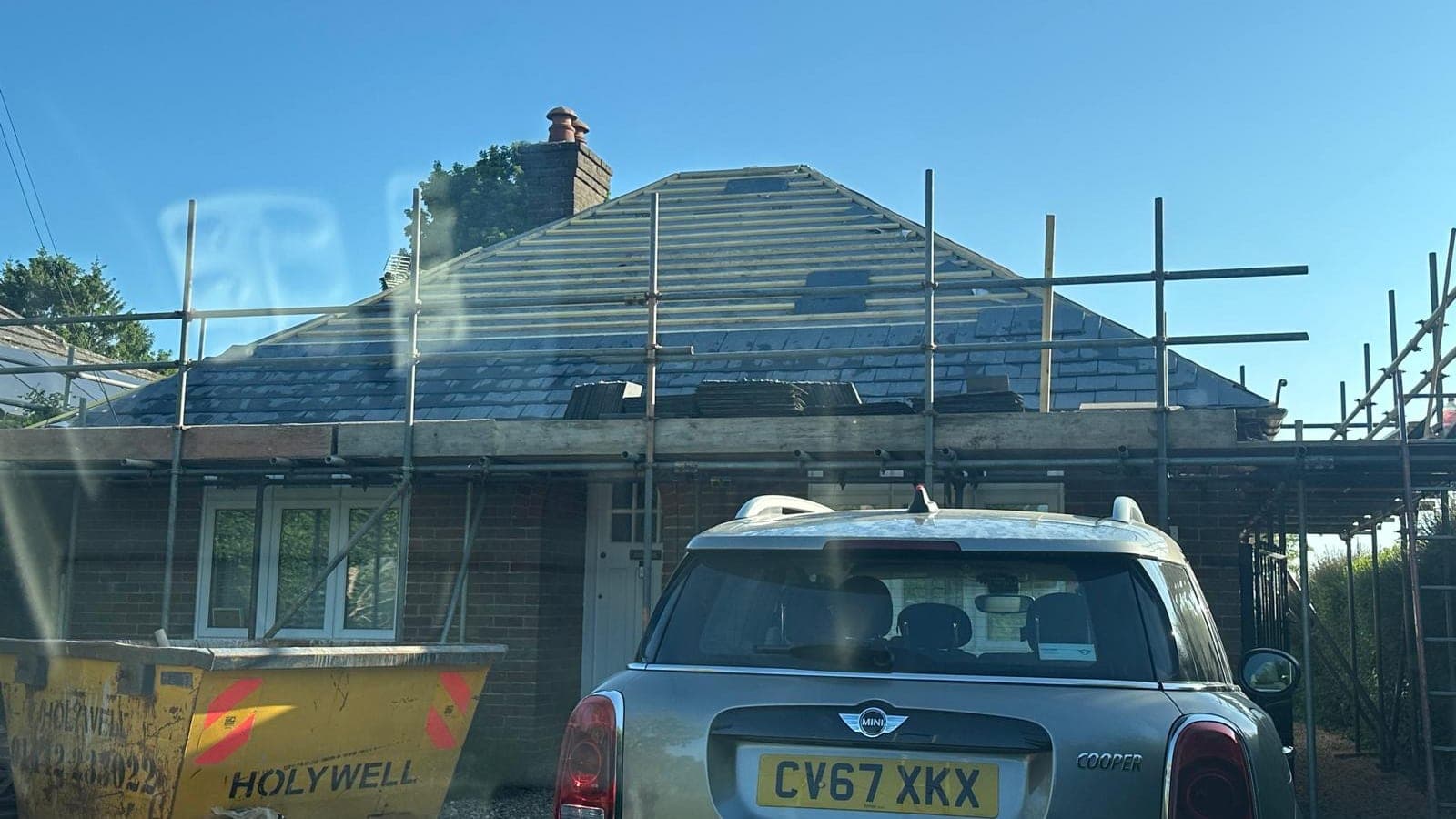
Loose or cracked mortar along a roof verge in Abbots Langley is almost always caused by age, weather cycling and the natural movement of the roof structure rather than poor original workmanship alone. Once mortar starts to crack, it lets water in behind the edge tiles, which speeds up failure and can eventually let tiles slip. The fix is either to re-bed the verge in fresh mortar or replace it with a dry verge system that uses mechanically fixed, dry-fit units instead of cement. Which one suits your roof depends on the roof's age, its construction, and how many times the verge has already been repointed.
What Actually Causes Verge Mortar to Crack or Fail?
A roof verge is the sloped edge of the roof at a gable end, where the tiles overhang the wall and are traditionally bedded in mortar to hold them in place and stop wind getting underneath. Mortar verges fail for a small number of predictable reasons:
- Thermal movement. Mortar and clay or concrete tile don't expand and contract at the same rate. Over years of hot summers and cold winters, tiny movements open hairline cracks that widen over time.
- Water ingress and frost. Once a crack lets water in, freeze-thaw cycles through winter force the crack wider, a process that speeds up noticeably once mortar is already compromised.
- Wind loading. The verge edge takes the brunt of prevailing wind, and older or thinning mortar simply can't hold tiles as firmly as it did when first laid.
- Age of the original bedding. Mortar verges typically need attention after 15 to 25 years, depending on the mix used and how exposed the gable end is.
- Poor original mix or application. Verges laid with the wrong sand-to-cement ratio, or without a proper key, fail earlier than a well-laid one.
Once you see hairline cracks, gaps, or mortar that's crumbling and coming away in pieces, it's worth having it looked at before the next storm, rather than waiting for a tile to actually move.
What Is Traditional Mortar Verge Bedding?
Traditional bedding is the original method: tiles at the gable edge are set into a sand-and-cement mortar mix, which is then pointed to a neat, weathered finish. It's the standard approach on most older roofs across Buckinghamshire and west Hertfordshire and it still works well when done properly.
Advantages:
- Matches the existing look of the roof, particularly important on period or conservation-sensitive properties.
- Lower material cost than a full dry verge conversion in most cases.
- A well-executed re-bed can last well over a decade before it needs attention again.
Drawbacks:
- It's a maintenance item, not a permanent fix. Mortar will eventually crack again as the building moves and weather cycles continue.
- Repeated re-pointing over the years leaves multiple mortar layers, which can eventually affect how tiles sit.
What Is a Dry Verge System, and How Is It Different?
A dry verge system replaces mortar with purpose-made plastic or fibre-cement units that clip or screw-fix onto the roof battens and hooks, holding the edge tiles firmly without any cement at all.
Advantages:
- No mortar to crack, so there's nothing to maintain in the same way over time.
- Faster to fit than a full mortar re-bed, which can reduce labour time on the job.
- Better ventilation options in some dry verge products, useful on roofs with loft ventilation concerns.
Drawbacks:
- Visual appearance is different from traditional pointed mortar, which matters on period properties or in conservation areas where planning guidance may prefer a traditional finish.
- Not always straightforward to retrofit onto older roof structures without some adjustment to battens or fixings.
Mortar Re-Bedding vs Dry Verge: Which Suits Your Roof?
| Factor | Traditional Mortar Bedding | Dry Verge System |
|---|---|---|
| Best suited to | Period homes, conservation areas, roofs where appearance matters | Modern roofs, roofs needing lower future maintenance |
| Maintenance over time | Will need re-pointing again eventually | Minimal, no mortar to crack |
| Appearance | Traditional pointed finish | Visible plastic or fibre-cement trims |
| Typical lifespan before next attention | Roughly 15 to 25 years depending on exposure | Longer intervals between attention needed |
| Retrofit complexity | Straightforward on most existing roofs | May need adjustments to battens or fixings |
There's no universally right answer. On a roof that's already had several rounds of mortar failure, a dry verge conversion often makes more sense long term. On a roof where the mortar has simply reached the end of its natural life for the first time, and where the property's appearance matters, a proper re-bed is often the sensible, honest choice.
Do You Need to Act Now, or Can It Wait?
A few hairline cracks with no missing mortar and no loose tiles usually isn't an emergency and can be scheduled in when convenient. But there are signs that mean it shouldn't wait:
- Tiles visibly shifted or lifted at the verge edge
- Mortar missing in chunks, not just cracked
- Water staining appearing on a gable wall or in the loft near the verge
- Recent storm or high winds followed by debris or dislodged mortar on the ground
Any of those point toward a genuine roof repair rather than something to leave for the next dry spell. A same-day response is offered specifically for active leaks and storm damage, and a straight answer is given on whether a job genuinely needs urgent attention or can safely wait, rather than being talked into urgency that isn't there.
What Does a Verge Repair Job Actually Involve?
Whether it's re-bedding or converting to dry verge, the process typically follows the same shape:
- Free assessment and written quote. A visit to inspect the verge, check for underlying causes such as batten rot or failed felt, and provide a fixed, itemised quote in writing at no charge.
- Access arranged. Scaffold or towers where needed, with that cost included in the quoted price rather than added afterward.
- Old mortar or fixings removed. Loose material is cleared back to sound tile and batten.
- New bedding or dry verge units fitted. Mortar is mixed and pointed to a weathered finish, or dry verge trims are mechanically fixed along the gable.
- Site cleared. Old materials removed, area left tidy.
This kind of work is closely tied to the roof's tiling, so it's often assessed alongside a wider check of the tiled roofing if there are other slipped or loose tiles elsewhere on the roof, rather than being treated in isolation.
Why Choose a Local Roofer for a Verge Repair in Abbots Langley?
Verge failure is a routine job for an established local roofer, but it's also the kind of small repair that can be easy for an out-of-area contractor to overquote on, or to use as a reason to push a full re-roof that isn't actually needed. A verge repair on its own rarely means the whole roof needs replacing; it means the edge detail needs attention.
With 32+ years of hands-on roofing experience and £2m public liability cover on every job, work across Abbots Langley and the surrounding 10-mile radius, spanning Buckinghamshire and west Hertfordshire, is carried out with quotes that are fixed and written before any work starts, and don't move once scaffolding is up unless new issues are found and agreed with the homeowner first. The same team also handles roof repairs in Chesham, roofing contractor work in Amersham, slate roof repair in Tring, re-roofing in Bovingdon, guttering repairs in Berkhamsted, and fascias and soffits work in Rickmansworth, alongside completed jobs across towns like Great Missenden and Chesham Bois, so there's a genuine, documented track record nearby rather than a town simply listed on a coverage map.
FAQ
What causes roof verge mortar to crack in the first place?
Verge mortar cracks mainly from thermal movement between the mortar and the tiles, frost getting into existing hairline cracks and widening them, wind loading on the exposed gable edge, and simple age, with most mortar verges needing attention somewhere between 15 and 25 years after laying.
Is a dry verge system better than mortar bedding?
Neither is universally better. Dry verge systems need less ongoing maintenance and are quicker to fit, but mortar bedding keeps the traditional pointed appearance that matters on period homes or in conservation areas. The right choice depends on the roof's age, history of previous repairs, and how much appearance matters to the homeowner.
Can a verge repair be left until it's convenient, or is it urgent?
Hairline cracking with no missing mortar and no shifted tiles can usually wait for a scheduled visit. Missing mortar in chunks, visibly lifted tiles, or water staining appearing after a storm are signs it shouldn't be left, and a same-day response is available for active leaks or storm damage.
Will fixing the verge mean I need a full re-roof?
Not usually. A verge repair addresses the edge detail specifically, whether that's re-bedding or converting to dry verge. It only points toward wider work if the inspection finds other issues, such as widespread slipped tiles or failed underlay, and that would always be explained and agreed before any extra work is added to the quote.
Does the quote change once scaffolding is up for the verge repair?
No. Quotes are given fixed and in writing before work starts, with scaffold and skip costs already built into that price. The quote only changes if genuinely new issues are found once the roof is opened up, and that's agreed with the homeowner before any extra work goes ahead.
Written by MP Roofing, roofers in Chesham covering Buckinghamshire and west Hertfordshire. If something here applies to your roof, give us a ring on 07500 939396.