
9 September 2026
Roof Condition Check Before Solar Panels: A Holmer Green Guide From MP Roofing
What condition should a roof be in before solar goes on? MP Roofing explains the tile, batten and felt checks Holmer Green homeowners need first.
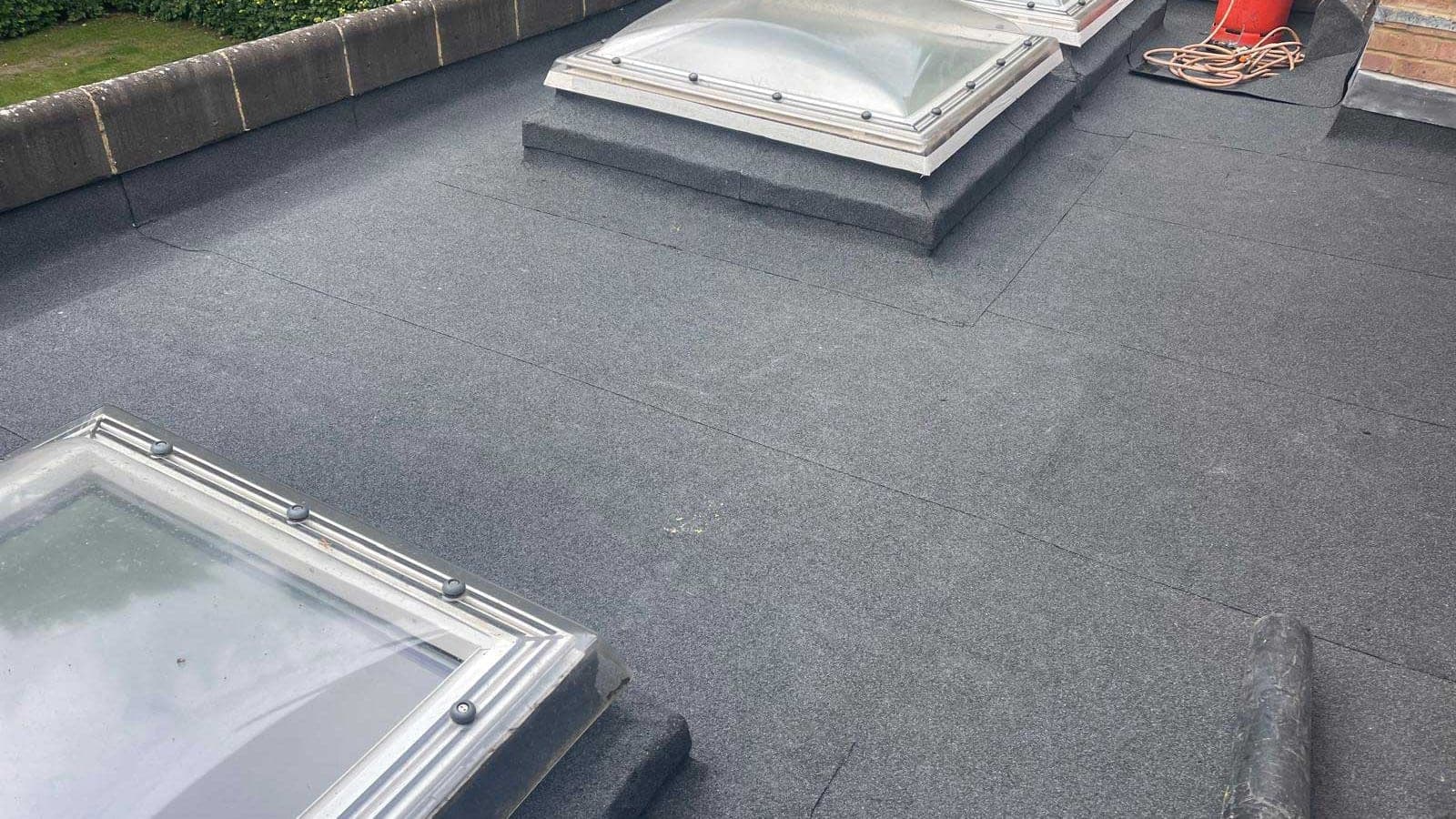
Before solar panels go on any roof in Holmer Green, the tiles or slates, battens and felt underneath need to be sound enough to last as long as the panels will sit on top of them, typically 20 to 25 years. A roofer should check the age of the roof, the condition of individual tiles or slates, whether battens are rotten or corroded, and whether the felt underneath is intact before any solar fixings go anywhere near it. Fitting panels on a roof that will need repair or re-covering within the next few years causes bigger, more expensive problems later, because removing panels to get at a failed roof underneath is far more disruptive and costly than sorting the roof first.
Why Does Roof Condition Matter Before Solar Panels Go On?
Solar panels are fixed to a roof using brackets that bolt through the tiles or slates into the battens beneath. Once that mounting system is in place, the roof covering around and under it is effectively sealed off from easy access. If a tile cracks, a batten rots, or the felt starts to fail after the panels are fitted, someone has to remove some or all of the panel array just to reach the problem. That means:
- Extra labour to unbolt and store the panels safely
- A second scaffold hire, in many cases, if the original access has gone
- Possible damage to cabling and mounting brackets during removal
- A roof repair that could have been a straightforward job before installation, now complicated by having live electrical equipment sitting on top of it
This is why a proper roof condition check before solar panels go on isn't a box-ticking exercise. It's what stops a homeowner in Holmer Green, Amersham, or anywhere else across the area, paying twice for the same job within a few years of going solar.
What Should A Roofer Check First?
A thorough pre-solar inspection covers four main areas. Each one has a direct bearing on whether a roof is ready for panels now, or needs work first.
Roof Age
Roof age matters because materials have a working life, and solar panels are a 20 to 25 year commitment. A roof that's already 25 to 30 years old, even if it looks fine from the ground, may be approaching the point where re-roofing or re-slating becomes necessary within the panels' lifespan. Knowing the age of the roof, and roughly when it was last re-covered, is the starting point for any honest assessment.
Tile Or Slate Condition
A roofer should get up close, not just look from a ladder or the ground, and check for:
- Cracked, slipped, or missing tiles or slates
- Nibs or fixings on clay or concrete tiles that have worn or snapped
- Slate delamination (layers separating), which is common on older natural slate
- General weathering that suggests the covering is nearing the end of its service life
A handful of loose tiles is a straightforward repair. Widespread cracking or slipping across the roof slope is a sign the whole covering may need attention before anything else goes on it.
Batten Condition
Battens are the timber strips that tiles or slates hang from, and they're also what solar mounting brackets bolt into. If battens are rotten, split, or undersized for modern loading, they won't hold the weight and wind-loading of a panel array safely. Batten condition usually can't be checked without lifting a sample of tiles, which is why a proper inspection sometimes involves removing a few tiles to look underneath rather than just eyeballing the roof from outside.
Felt Or Underlay Condition
The felt or underlay beneath the tiles is the roof's secondary line of defence against water. Older bitumen felt becomes brittle and cracks over time, and once it fails, water can get past even sound tiles during driving rain. Because felt sits underneath the tiles, its condition is usually assessed by checking for damp staining on rafters in the loft, along with a physical check where tiles are lifted.
Roof Condition vs Solar Readiness: A Quick Comparison
| Roof condition | What it usually means for solar | Recommended action |
|---|---|---|
| Recently re-roofed, tiles/slates sound, no damp in loft | Likely ready to proceed | Proceed with mounting once structural check confirms battens are sound |
| Roof 15-20 years old, a few slipped tiles, no damp | Repairable now | Fix loose tiles and re-check battens before fitting panels |
| Roof 25+ years old, cracked/slipping tiles, felt showing wear | Repair or re-roof likely needed within panel lifespan | Address roof covering first, then fit panels |
| Damp staining in loft, brittle or torn felt visible | Felt has likely failed | Re-roof or re-felt before any solar work begins |
| Rotten or corroded battens found on inspection | Not safe to mount panels as-is | Batten replacement required before fitting |
What Happens If Panels Go On A Roof That Needs Work Soon?
The most common scenario is a roof that looks acceptable from the ground but has a handful of slipped tiles, a few damp patches in the loft, or battens nearing the end of their life. Panels can technically be fitted on a roof like this, but within a few years the underlying problems tend to surface, and by then they're harder and more expensive to fix because the panels are in the way. This is exactly the kind of situation where an honest, no-spin assessment matters. Rather than being told a roof
Written by MP Roofing, roofers in Chesham covering Buckinghamshire and west Hertfordshire. If something here applies to your roof, give us a ring on 07500 939396.