
3 September 2026
After a Storm in High Wycombe, What Should You Check Before Calling MP Roofing for a Roof Inspection?
Storm damage roof inspection in High Wycombe: MP Roofing's checklist for tiles, gutters, loft signs and photos to take before booking an assessment.
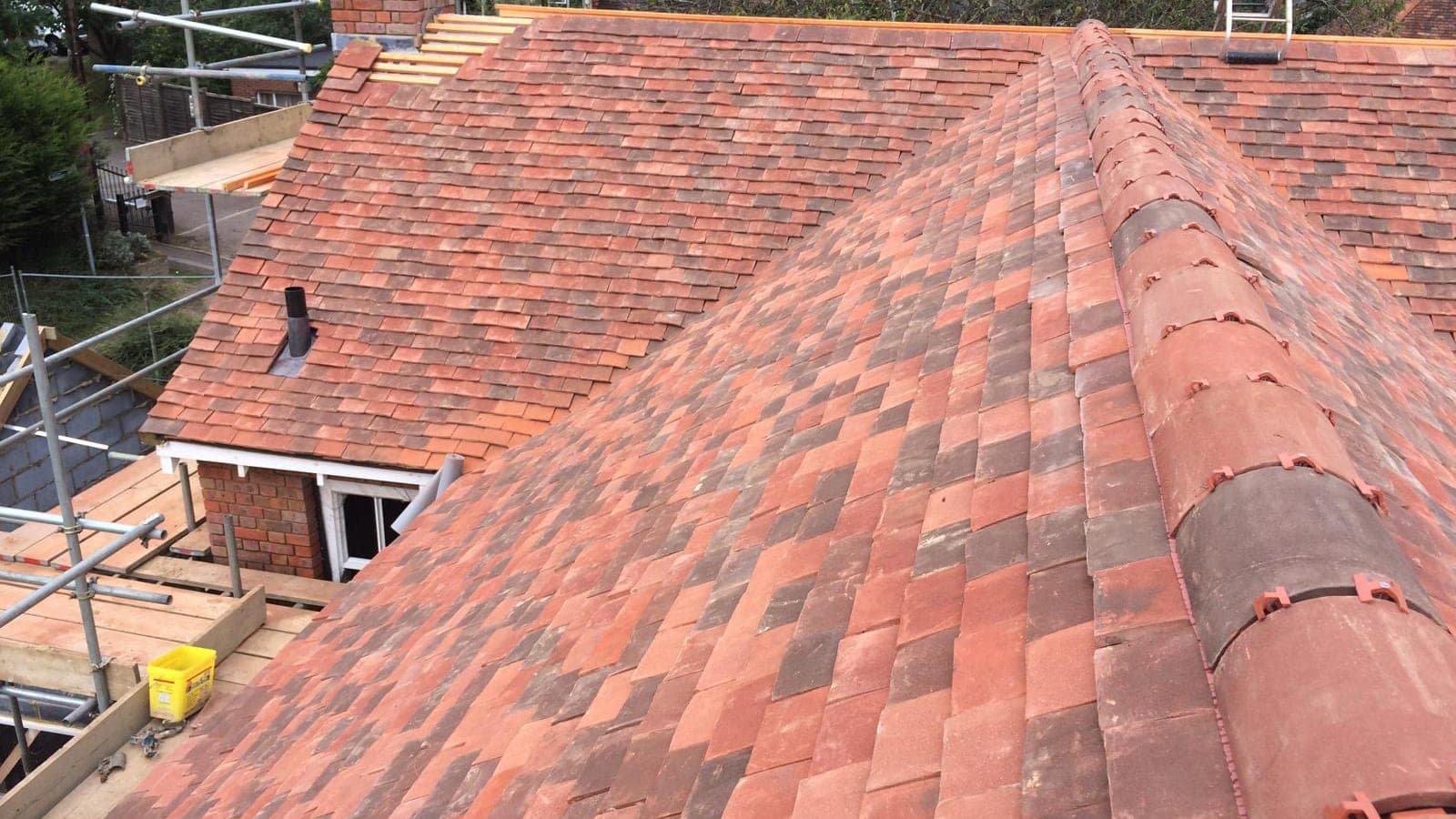
After a storm hits High Wycombe, check four things before picking up the phone: visible tile or slate damage from ground level, gutter and downpipe blockages, loft signs of water ingress such as damp patches or daylight through the roof deck, and any debris on the ground that's fallen from the roof itself. Photograph anything unusual with a wide shot and a close-up, note which side of the roof it's on, and use that information to get a proper storm damage roof inspection in High Wycombe booked in. Most storm damage turns out to be a straightforward repair rather than a full re-roof, but a professional look confirms which one you're dealing with.
What can you safely check from the ground after a storm?
Do not get on a ladder or go onto the roof yourself. Most of what you need to spot is visible from ground level with the naked eye or a pair of binoculars:
- Slipped, cracked or missing tiles and slates, particularly on the side of the roof that faced the wind. Look for gaps in the pattern or tiles sitting at an odd angle.
- Displaced ridge tiles or a broken dry ridge system along the roofline's peak.
- Lifted or torn flashing around chimneys, valleys and where the roof meets a wall. Flashing that's peeled back or gone entirely is one of the most common causes of a leak after wind damage.
- Debris in the garden or driveway: broken tile fragments, bits of lead, or pieces of felt. This tells you something has come off the roof even if you can't see the exact spot from the ground.
- Sagging or visibly uneven roof sections, which can indicate structural movement and should be treated as more urgent.
If you can see daylight-coloured gaps in the tiling from the street, or a section of roof that looks visibly different after the storm compared with before, that's worth a call regardless of whether you can find a leak yet.
What should you look for in your loft after high winds or heavy rain?
The loft often shows problems before they reach the ceiling below. With a torch, check:
- Damp patches, staining or discolouration on the underside of the roof felt or rafters, especially near chimneys, valleys or where pipes pass through the roof.
- Daylight coming through anywhere in the roof structure. Even a pinprick of light indicates a gap that will let water in during the next spell of rain.
- Wet insulation, which holds water and can mask an ongoing leak for weeks if not caught early.
- A musty smell, which often shows up before visible staining does.
- Fresh debris on the loft floor, such as bits of felt, mortar dust or tile fragments that have worked their way through gaps.
If you find any of these, note the exact location (which corner, which side, near which chimney or valley) because that detail helps a roofer identify the likely cause before they've even arrived.
What's happening with your gutters and downpipes?
Storms dislodge tile fragments, moss, leaves and small branches, and all of it tends to end up in the guttering. Overflowing gutters after a storm usually mean one of three things: a blockage, a gutter that's come away from its fixing or fall, or damage from something falling into it during the wind. Check for:
- Water overflowing from a gutter section rather than draining through the downpipe
- Gutters visibly sagging, pulled away from the fascia, or sitting at the wrong angle
- Debris sitting in the gutter run that you can see from a bedroom window or from the garden
- Staining on the fascia or brickwork below a gutter join, which suggests it's been overflowing for a while
A blocked or dislodged gutter left unaddressed pushes water back under the roofline and towards the fascia and soffit boards, so it's worth flagging even if it looks like a minor issue.
What should you photograph for a roofer's assessment?
Good photos speed up the whole process and help a roofer give you an accurate steer over the phone before they've even visited. Aim for:
- A wide shot of the whole roof slope from a safe distance, taken straight-on if possible
- Close-up zoomed photos (using your phone's zoom, not by getting closer) of any visible damage: slipped tiles, torn flashing, broken ridge tiles
- Photos of any debris on the ground, laid out so the size and type of material is clear
- Loft photos of any damp staining, daylight gaps or wet insulation, with the torch beam included so the area is properly lit
- A photo of the gutter section causing problems, ideally during or just after rain so the overflow point is obvious
Include which direction the affected slope faces (front, back, left, right) and roughly when you first noticed the problem. That's usually enough for an honest initial assessment over the phone.
Slipped tile vs full re-roof: how do you know which you need?
Most storm callouts turn out to be repairs rather than a full re-roof. The table below sets out the signs that typically point each way, though a proper inspection is the only way to confirm it.
| Sign | Usually points to a repair | Usually points to a wider re-roof |
|---|---|---|
| A handful of slipped or cracked tiles in one area | Yes | No |
| Isolated flashing lifted around one chimney or valley | Yes | No |
| Tiles or slates failing across multiple areas of an older roof | Sometimes | Often |
| Widespread cracking, moss build-up and brittle tiles found during inspection | No | Often |
| Sagging roof deck or visible structural movement | No | Yes |
| A single leak traced to one clear cause | Yes | No |
If you're only seeing damage in one localised spot, it's very likely a repair job. If a roofer finds the same tiles failing in several places once they're up close, that's a sign the roof covering has reached the end of its useful life and a wider conversation about re-roofing (in slate, clay tile, or otherwise) is worth having. Either way, a written quote should set out exactly what's being done and why, and it shouldn't creep upward once scaffolding is in place unless something genuinely new is found and agreed with you first.
Is your roof damage urgent, or can it wait for dry weather?
Not every bit of storm damage needs fixing that same day. As a rough guide:
- Needs prompt attention: an active leak dripping into the house, water visibly running down an internal wall, daylight through the roof structure, or a chimney flashing that's come away completely
- Can usually wait for a scheduled visit: a slipped tile with no sign of water ingress, cosmetic damage to a fascia, or gutter debris that isn't currently overflowing
An honest roofer will tell you straight which category your problem falls into rather than treating everything as an emergency to get a job booked. For genuinely active leaks and storm damage, a same-day response for assessment is reasonable to expect; for everything else, a scheduled visit with a fixed written quote is the normal route.
Why choose a local roofer for storm damage in High Wycombe and nearby towns?
A roofer working the local area day in, day out understands the housing stock, from the older slate roofs around Great Missenden and Tring to the clay tile common in Bovingdon and Amersham, and the flat roof extensions and garages found across Chorleywood, Rickmansworth and Gerrards Cross. MP Roofing is based in Chesham (HP5) and works across Chesham and the 10 miles around it, covering High Wycombe, Amersham, Great Missenden, Berkhamsted, Tring, Chesham Bois, Chorleywood, Rickmansworth, Gerrards Cross, Wendover, Hemel Hempstead and the other named towns in that radius, rather than being a national outfit passing through after a storm.
With 32+ years of hands-on roofing experience, £2m public liability cover, and free written quotes on every job including the initial visit, the aim is simple: an honest assessment of whether your roof needs a repair or something more, a fixed price that doesn't move once scaffolding is up, and scaffold and skip costs already built into that quote rather than added on afterward. If a job overruns for any reason, you get a phone call, not silence.
FAQ
Do I need a full roof inspection after every storm in High Wycombe?
Not necessarily. If you've checked from the ground and in the loft and found no slipped tiles, no debris, no damp patches and no overflowing gutters, your roof may well have come through fine. A visual check after any significant storm is sensible, but a full professional inspection is really only needed when you spot something out of the ordinary or you're unsure what you're looking at.
Is it safe to go onto my roof myself to check for storm damage?
No. Roof surfaces are unpredictable even in good weather, and wet or storm-damaged tiles are more likely to slip or crack further under your weight. Everything on the checklist above can be assessed from the ground, from a window, or from inside the loft with a torch, which is the safer approach.
How quickly should a leaking roof be looked at after a storm?
An active leak, especially one dripping inside the house or with water tracking down an internal wall, should be reported straight away so it can be assessed the same day. Cosmetic or minor damage without any sign of water getting in can usually wait for a scheduled visit and a written quote.
Will a fixed quote change once work starts on my roof?
A properly written quote should be fixed and itemised before any work begins, and it should not change once scaffolding is up unless something new is found during the work and agreed with you first. Scaffold and skip hire should already be included in that price, not added afterward as a separate cost.
Does MP Roofing cover storm damage repairs outside Chesham itself?
Yes. MP Roofing works across Chesham and a 10-mile radius spanning Buckinghamshire and west Hertfordshire, including High Wycombe, Amersham, Great Missenden, Berkhamsted, Tring, Chorleywood, Rickmansworth, Gerrards Cross, Watford and the other named towns in that area, and welcomes enquiries from just outside that radius too.
Written by MP Roofing, roofers in Chesham covering Buckinghamshire and west Hertfordshire. If something here applies to your roof, give us a ring on 07500 939396.